

New Year. Same You
posted 14th January 2026

The New Year: Why Change Feels Urgent — and Why It Often Fades
The arrival of a new year carries a unique psychological weight. Even though nothing materially changes at midnight on 31 December, many people experience the New Year as a psychological reset — a moment charged with hope, urgency, and expectation. We tell ourselves that this year will be different: healthier, calmer, more productive, more fulfilled. Yet for many, these intentions quietly dissolve within weeks, often replaced by guilt or self-criticism. From a psychological perspective, this pattern is not a failure of willpower, but a predictable response to how humans relate to time, identity, and change.
Research in behavioural psychology describes the “fresh start effect” — the tendency for temporal landmarks, such as birthdays, Mondays, or New Year’s Day, to psychologically separate our past selves from our future selves. The New Year allows people to mentally distance themselves from perceived failures or disappointments and imagine a revised version of who they might become. This can feel energising, but it can also be misleading. When change is anchored to a date rather than to realistic psychological processes, it often relies on motivation alone, which is inherently unstable.
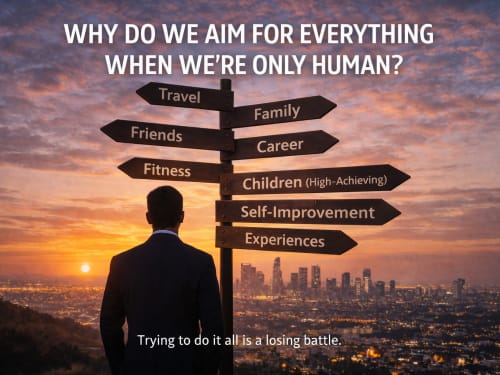
Traditional New Year’s resolutions often fail because they are overly global, identity-threatening, or driven by self-criticism rather than care. Psychological research consistently shows that behaviour change is more sustainable when it is specific, values-based, and compassionate, rather than punitive or perfectionistic. When resolutions are framed as a rejection of the current self, they tend to activate shame — a state that actually reduces motivation and increases avoidance.
Contrary to popular narratives, the New Year can be emotionally difficult. The contrast between expectation — “this should feel hopeful” — and reality — “I feel the same” — can intensify feelings of disappointment or stagnation. For some, January also brings reduced daylight and energy, financial strain, heightened self-comparison, and pressure to “start again” before feeling ready. Psychologically, this can lead to a sense of failure before change has even had time to occur.
Rather than viewing the New Year as a demand for transformation, it can be more helpful to see it as an opportunity for gentle recalibration. Evidence from acceptance-based and values-focused therapies suggests that meaningful change is more likely when individuals build on what already exists rather than trying to erase it, focus on direction rather than perfection, and allow change to be gradual and uneven. Small, repeatable actions — such as improving sleep by a short amount, adding one walk a week, or reducing self-criticism in specific situations — are far more effective than sweeping resolutions.
One of the most robust findings in psychology is that behaviour change lasts longer when it is linked to identity rather than outcomes. This does not mean adopting a new label, but rather aligning actions with personal values, such as wanting to live in a way that supports wellbeing, valuing stability and self-respect, or wanting choices to reflect care rather than pressure. When behaviour serves identity, motivation becomes internal rather than forced.
For some people, the New Year brings clarity about dissatisfaction that has been present for some time — in work, relationships, or emotional wellbeing. If attempts at change repeatedly fail or feel overwhelming, this may not reflect a lack of effort, but unaddressed psychological barriers such as burnout, anxiety, depression, or unresolved grief. In these cases, support — rather than stricter self-discipline — is often what enables progress.
The New Year does not require reinvention. You are not behind, broken, or late. Change rarely arrives cleanly at the start of January; it tends to emerge slowly, through awareness, repetition, and self-understanding. A psychologically healthy New Year is less about becoming someone new, and more about becoming more aligned with who you already are.